Commercial
Asphalt Paving
Experts
Experts
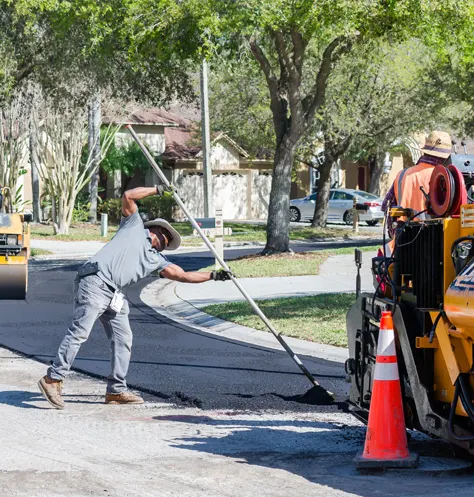
DMI specializes in all types of asphalt paving including new parking lot installation, repaving, overlays, patching, and pothole repair.
With over 65 years of expertise in commercial asphalt paving, DMI Paving & Sealcoating is the first choice for property owners and managers throughout Florida.
When left alone, asphalt cracks and potholes can cause severe damage over time and will ultimately lead to asphalt failure. Asphalt deteriorates from environmental elements, such as UV sun rays, rain, snow, extreme temperatures, gas, oils, grease, salt, and more. Learn more from our asphalt paving FAQ page.

Cracks

Alligator Cracking

Potholes

Puddles

Weed or Plant Growth

Uneven patching

Depression and holes

Broken and loose asphalt

Discoloration
Get A Free Estimate


Our team’s coordination and efficiency will let you get back to business as soon as possible. Asphalt paving and asphalt repair jobs can sometimes be done in a day. Enhance the look and lifespan of your property without losing business or inconveniencing customers.

Our top of the line equipment saves time and money on any asphalt paving project, regardless of size or scope.

DMI Paving & Sealcoating is a LEED accredited environmentally responsible contractor. We recycle all material and abide by green construction practices, as well as EPA guidelines, making our services environmentally friendly.

With a history going back to 1956, our business is supported by satisfied customers and referrals who consistently choose DMI for paving and asphalt repair services.
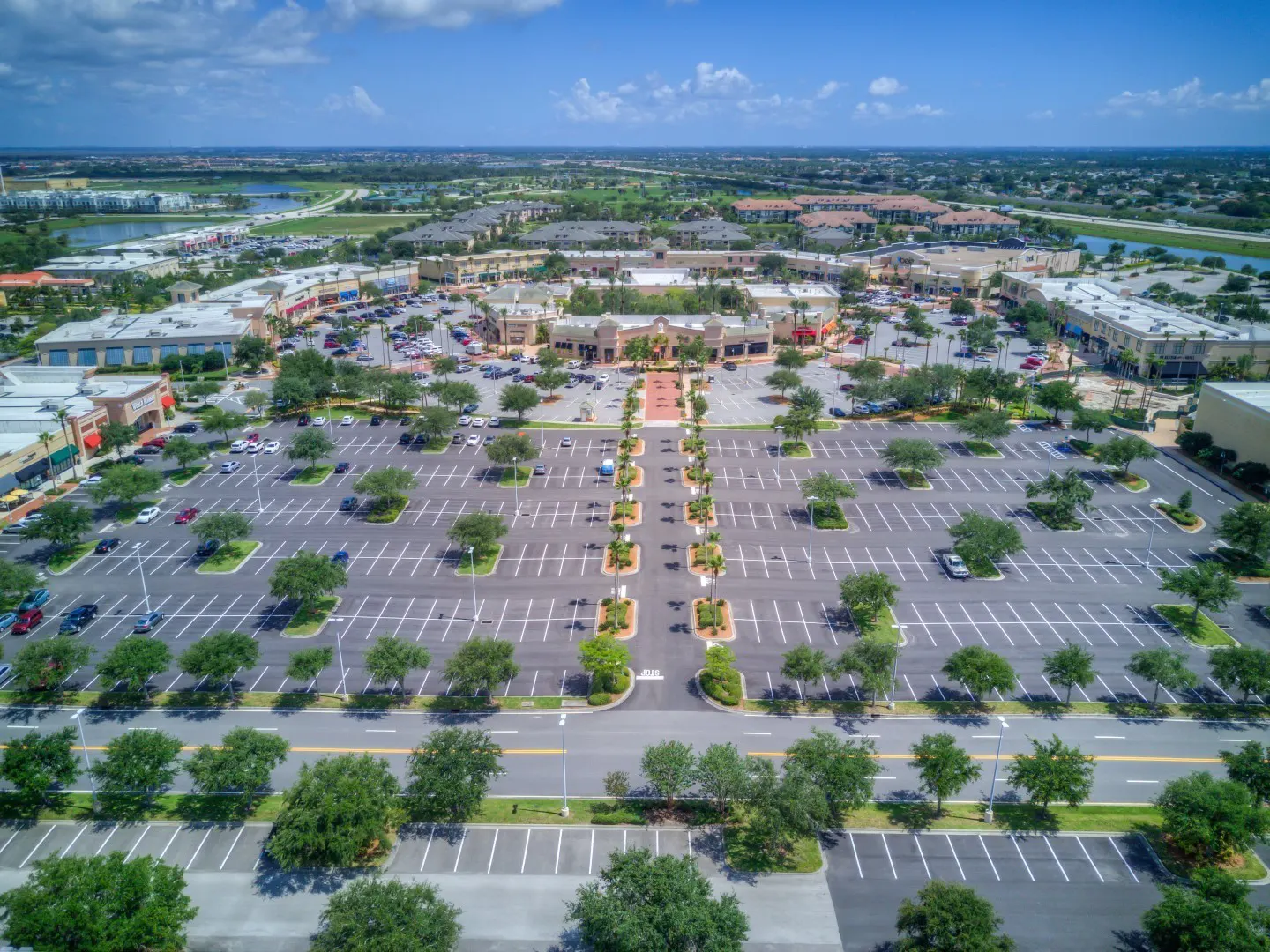
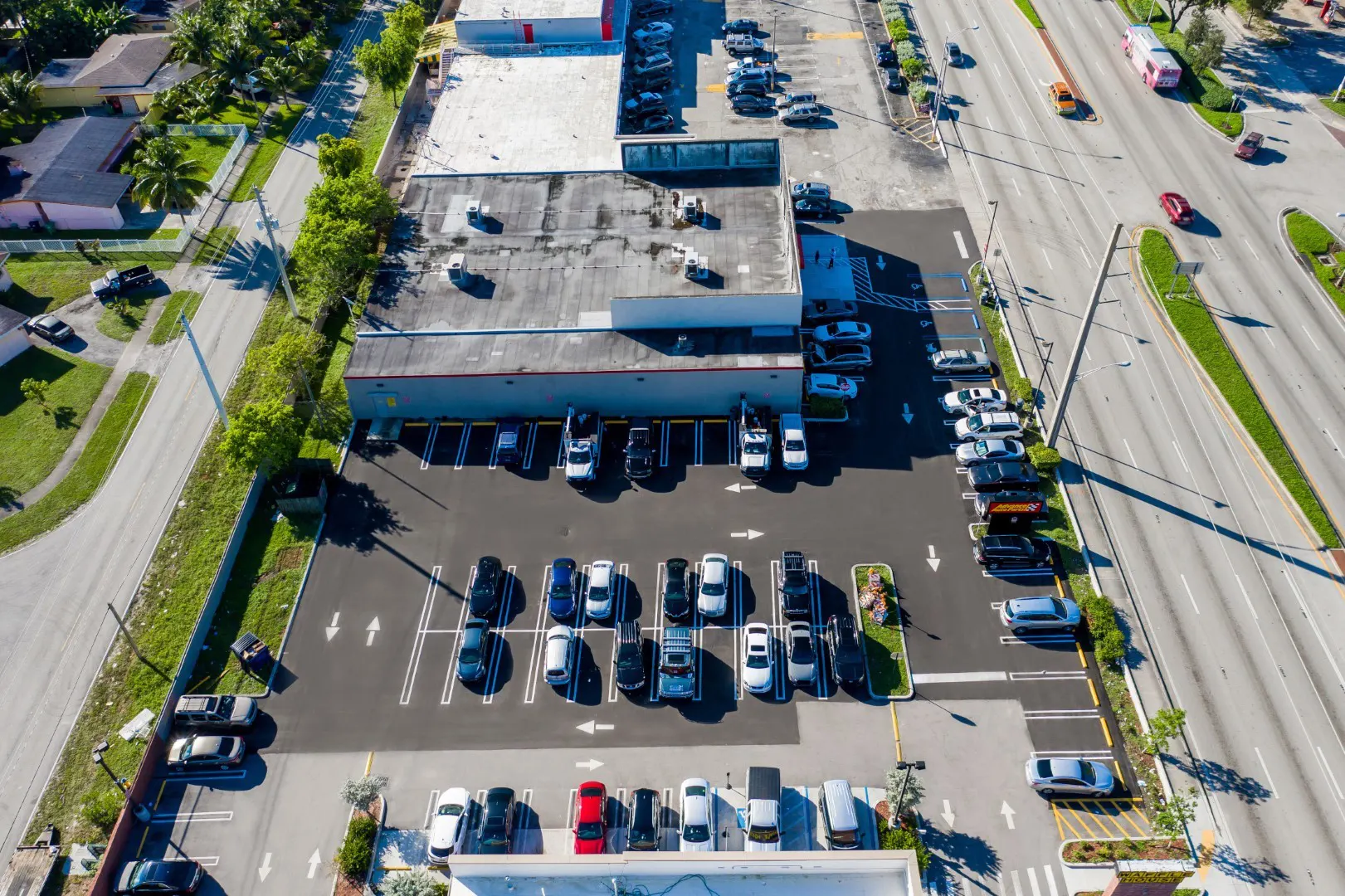
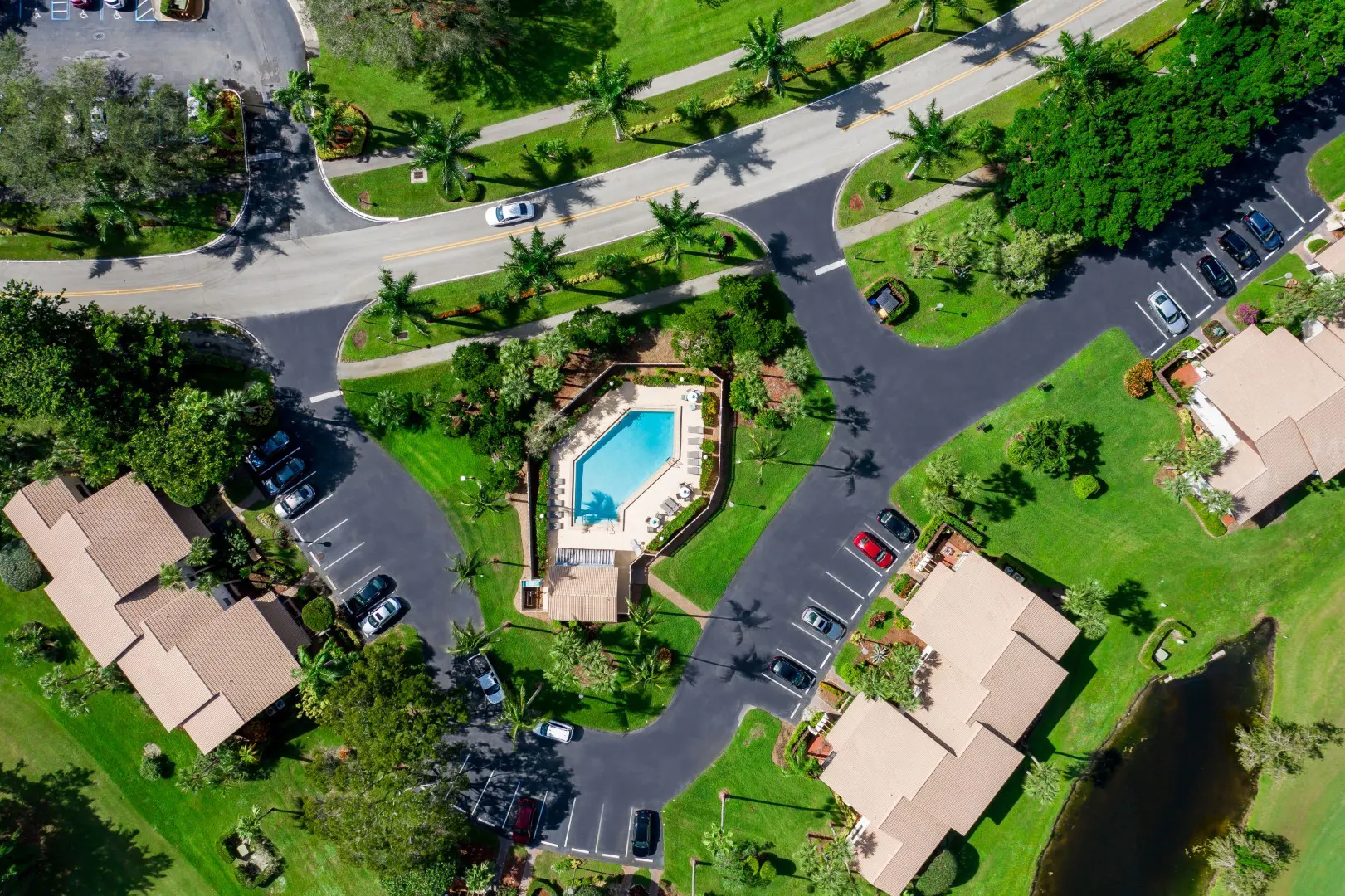
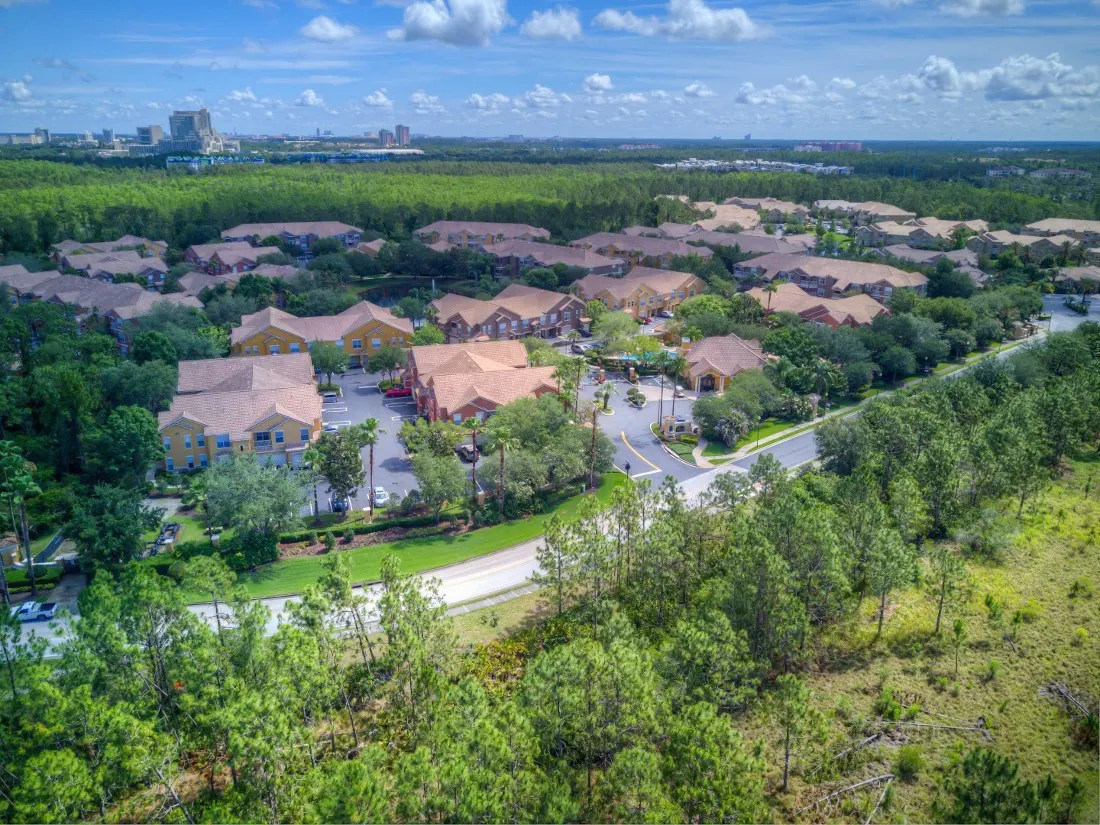
New parking lot installations and asphalt repair jobs can breathe new life into your property. Let us help you create a clean, safe, and beautiful parking area that will last. Here are some examples of our recent commercial paving and repair work.


Copyright © DMI Paving & Sealcoating